Reporting by Maria Francis and Ernesto Centeno Araujo, USA TODAY NETWORK / Ventura County Star
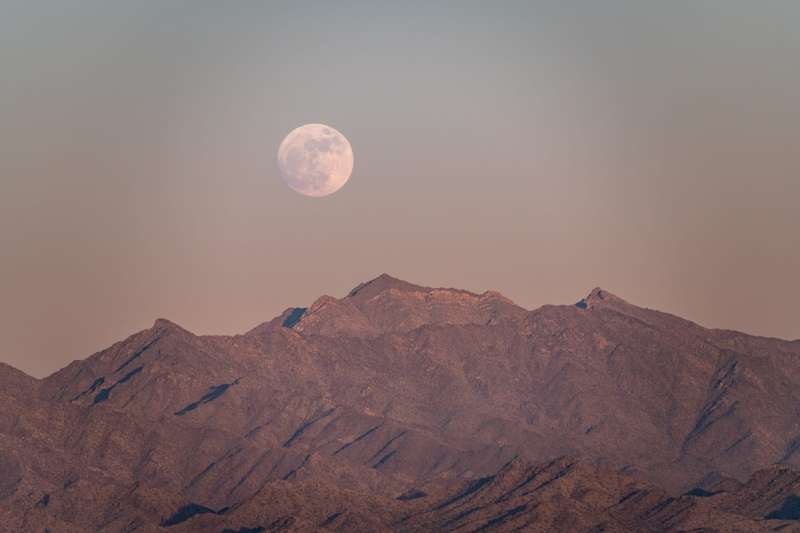
The next full moon won’t arrive for a few more weeks, but when it does, skywatchers will see one of summer’s brightest full moons share the sky with shooting stars. How can Californians best see it?
The annual buck moon coincides with the peak of the Alpha Carpicornids and the Southern Delta Aquariids meteor showers.
The July buck moon reaches peak illumination on July 29, while the Southern Delta Aquariids and Alpha Capricornids are expected to be near their strongest around July 30, giving Americans a rare chance to enjoy both a full moon and a meteor shower during the same week.
The highly anticipated Perseid meteor shower will also be active late in the month of July as it builds up to its peak in mid-August.
When is the next full moon in July 2026?
The next full moon, known as the buck moon, reaches its full phase on July 29, reaching peak illumination at 7:36 a.m. Because that peak occurs during daylight hours in the U.S., the best viewing opportunities will be during the evenings of July 28 and July 29.
Skywatchers should look toward the eastern horizon around sunset as the moon rises and appears especially large due to the so-called moon illusion that makes it appear much larger than usual, particularly when it’s close to the horizon. NASA offers a few explanations, such as atmospheric conditions, lighting and foreground objects distorting scale.
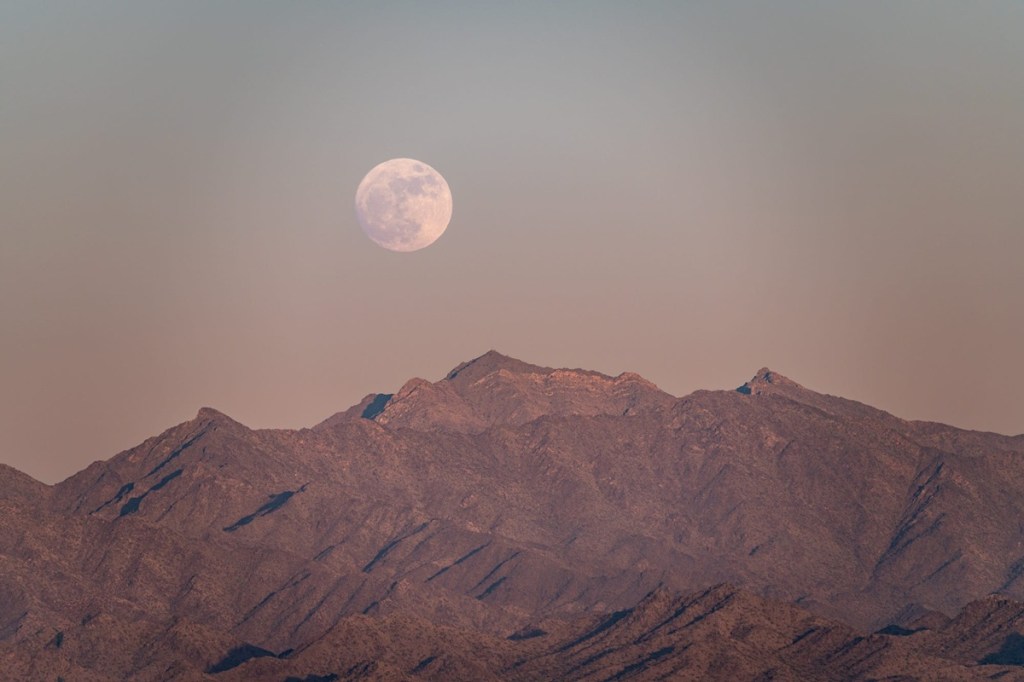
Why is it called the buck moon?
July’s moon is known as as the buck moon because the antlers of male deer (bucks) are in full-growth mode at this time of year, according to the Old Farmer’s Almanac. Bucks shed and regrow their antlers every year, with a larger and more impressive rack as they get older.
The buck moon name is derived from Native American traditions, where the full moon names often track or reflect the changes in seasons, natural rhythms of the year or animal behaviors and names them accordingly.
What time can you see the buck moon in California?
Peak time for the full moon is 7:36 a.m. PDT on July 29, according to the Old Farmer’s Almanac. While Californians may not be able to see the moon during its peak, the best day to view it is the nights before and after its peak.
Click here to see specific the moon rise and moonset times in your area.
Where are the best places to stargaze in California?
Experts recommend finding the darkest sky possible — away from city lights — and giving your eyes time to adjust to darker conditions, but it is still too early to tell exactly how the night sky will look.
The National Parks Conservation Association has designated Death Valley National Park and Joshua Tree National Park in Southern California as Certified Dark-Sky Parks.
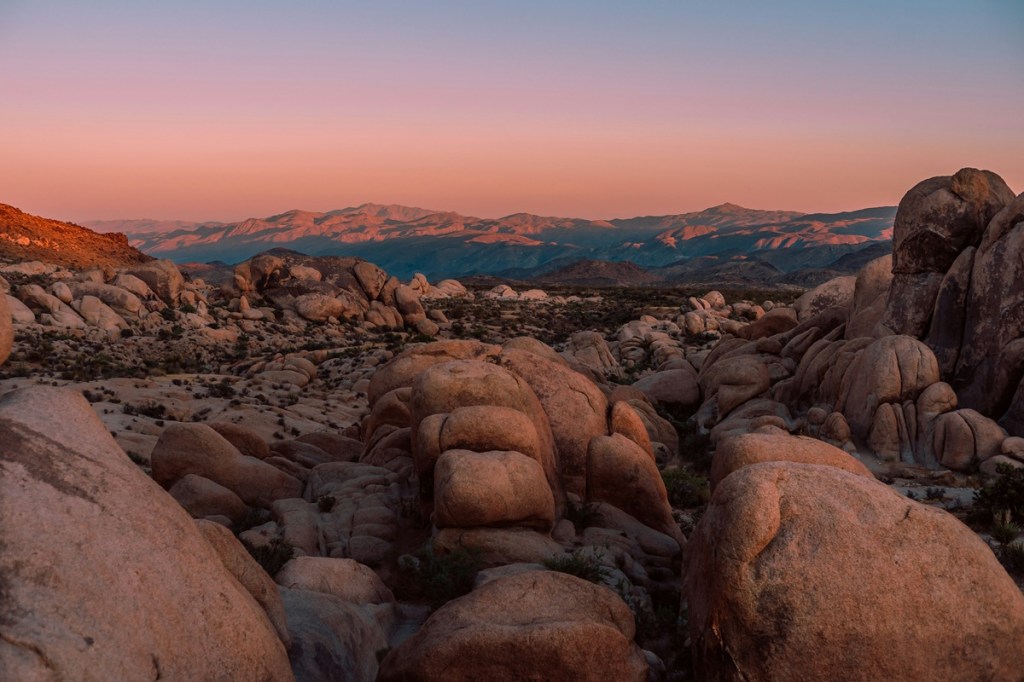
Dark Sky International also recommends Anza-Borrego Desert State Park in Borrego Springs and Julian in the Cuyamaca Mountains of San Diego County as places to see the meteor light shows.
In Central California, Sequoia and Kings Canyon National Parks and Yosemite National Park are good places to see celestial light shows.
Shasta, Siskiyou, and other North State counties offer excellent places to view the night sky. Prairie Creek Redwoods State Park is also a prime night sky-watching location on the North Coast.
What are the moon phases for July 2026?
- Last quarter: July 7
- New moon: July 14
- First quarter: July 21
- Full moon: July 29
What else is in the night sky this month?
The buck moon isn’t the only celestial attraction in July. There will be three active meteor showers this month, including the Perseids kicking off this week, active July 17 through Aug. 24. The Alpha Capricornids and Southern Delta Aquariids are also active this month into mid-August, though they will peak around the time of this month’s full buck moon.
Mars, Saturn and Venus also remain visible during portions of the month, offering additional reasons to look up after sunset.
When is the best time to see the Southern Delta Aquariid meteor shower?
The shower runs from July 18 through Aug. 21 and may be at its strongest around July 30. Under ideal conditions, skywatchers could see 15 to 20 meteors per hour.
When is the Alpha Capricornids meteor shower?
The Alpha Capricornids are active from July 3 through Aug. 15 and will peak on the night of July 30 and can be seen from both sides of the equator. While it is not very strong and rarely produces over five meteors per hour, the number of bright fireballs it produces is notable.
When is the Perseid meteor shower 2026 peak?
The Perseid meteor shower becomes active in July but reaches its peak Aug. 12-13. Considered one of the year’s most popular meteor showers, the Perseids can produce 30 to 50 meteors per hour under favorable conditions and are best viewed after midnight. The shower’s activity begins shortly after the full buck moon and continues well into August.
When is the next full moon 2026?
The next full moon will be the July full moon, known as the buck moon, on July 29, followed by the August sturgeon moon on Aug. 28.
Maria Francis is a Pennsylvania-based journalist covering trending and breaking topics across the Mid-Atlantic and Northeast regions for USA Today Network. Reach her at mfrancis@usatodayco.com.
Ernesto Centeno Araujo covers breaking news for the Ventura County Star. He can be reached at ecentenoaraujo@vcstar.com, 805-437-0224 or @ecentenoaraujo on Instagram and X.
This article originally appeared on Ventura County Star.
Related: 5 best small towns you should visit in Southern California