The California Senate passed AB 1795, the Smoke Damage Recovery Act, creating the nation’s first enforceable statewide standards for testing, cleaning, and clearing smoke-damaged homes after a wildfire. The Senate cleared it 29–10 with no Republican support, and Gov. Gavin Newsom signed it into law on Sept. 15.
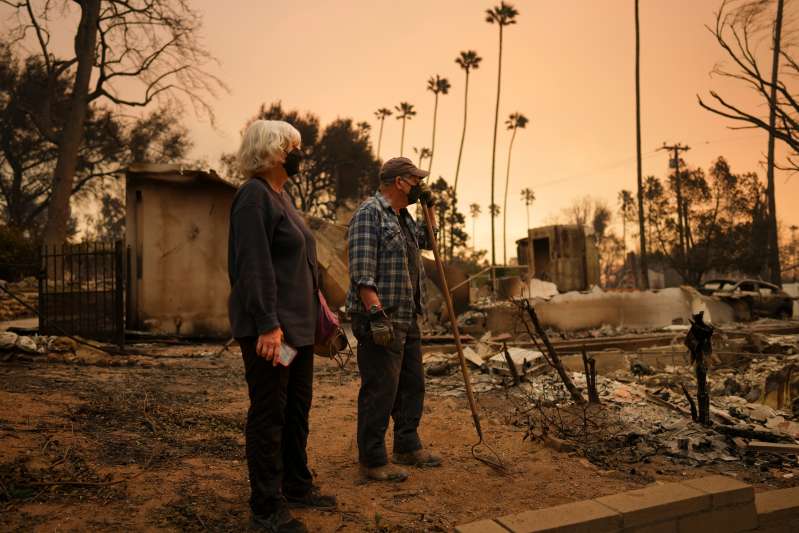
The bill is a direct response to the Eaton Fire, which burned over 14,000 acres and resulted in the deaths of 19 people. Los Angeles County and state fire investigators later released a report attributing the fire to electrical arcing from a decommissioned Southern California Edison tower.
Paired with AB 1642, which directs state environmental regulators to establish clear toxicity benchmarks, AB 1795 aims to make it easier for Californians affected by wildfire smoke to get fair, timely insurance coverage and safe repairs. After the Eaton Fire, many displaced residents said no clear standards existed for what counted as “clean” or “safe” before returning home.
Ending the burden of proof for survivors
California previously had no enforceable statewide standards for investigating and restoring smoke-damaged homes after a wildfire. The new bill presumes smoke and ash found inside homes in a wildfire zone came from that fire unless insurers prove otherwise.
New provisions require companies to inspect claimed homes within 30 days when possible and pay the actual cash value and undisputed replacement costs for damaged personal property and home repairs within set short timeframes.
Additionally, insurers cannot stop covering temporary housing costs until a home has been fully restored and officially deemed safe to live in again.
Holding insurers accountable
Beyond the immediate destruction, survivors have faced lingering health concerns from smoke and ash contamination, prolonged insurance disputes, and a slow, difficult road to rebuilding.
Under the new law, insurers must fund sampling, testing, and timely inspections. The bill also requires training and certification programs for adjusters and restoration workers, paid for through program fees.
In addition, the measure calls for reviews of the Lineage Logistics warehouse fire in Boyle Heights to investigate insurance coverage gaps and interagency coordination, extending beyond the typical focus of wildfire policies.
For the thousands of families still navigating the aftermath of California’s wildfires, AB 1795 shifts the burden of proof and requires insurance carriers to cover remediation costs.
The passage was a collaborative effort between survivor advocacy groups, with Eaton Fire Residents United as a key sponsor, alongside California legislators.
Not everyone supported the measure. Trade groups like the American Property Casualty Insurance Association argued that new testing mandates would drive up costs and push more carriers out of California’s already strained market. That corporate pushback created a stark partisan division when it came down to the final vote.
In a statement, California State Assemblymember Mike A. Gipson said he was proud to have worked with Insurance Commissioner Ricardo Lara to pass the measure. “After a wildfire, homeowners should not have to fight their insurance company while struggling to rebuild their homes, their lives, and their future,” Gipson said.
“AB 1795 gives wildfire survivors the strong, science-based protections they need to return home,” he added.