Reporting by Daniella Segura, USA Today Network/Palm Springs Desert Sun
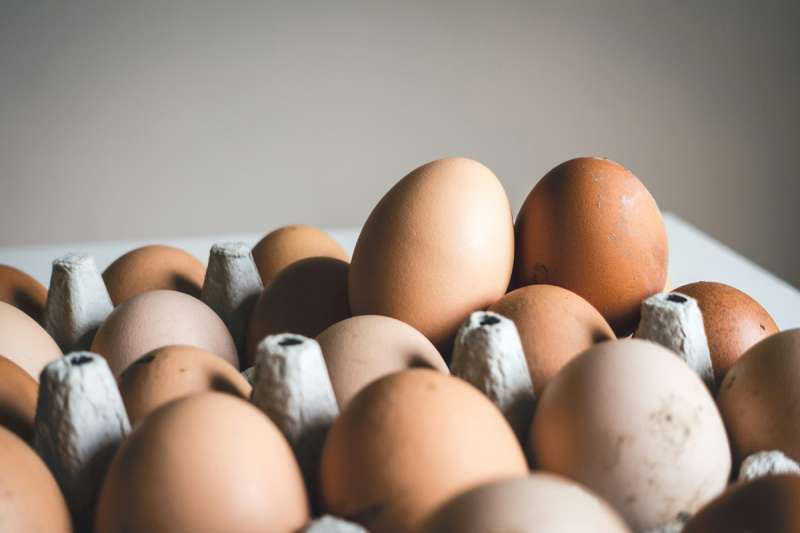
A Southern California farm has voluntarily recalled some of its organic eggs over potential Salmonella contamination, California Department of Public Health officials say.
Ramona-based Happy Hens voluntarily recalled its eggs on Sept. 8 after 23 California residents were linked to a Salmonella outbreak that caused seven hospitalizations and no deaths, with illness onset dates ranging from June 21 to Aug. 16, officials said in a Sept. 11 news release.
“Our entire farm is built around the idea of stewardship, from animal welfare and care, organic practices, to cleanliness, food safety, all the way across the board, we are absolutely not ignoring this,” owner Chloe Nevarez said in a Facebook video.
“We are asking questions. We’re reviewing the science. We’re doing additional testing, and we are looking into how we can truly find the truth. Because at the end of the day, public health matters. Our customers matter. Our hens matter, and the truth absolutely does matter.”
Here’s what Californians should know about the recall.
What led to recall?
“In late July, there was a news article that was released saying there was a link to Salmonella Enteritidis and a restaurant that used our eggs to make mayonnaise,” Nevarez said.
Multiple government agencies then investigated the farm, according to Nevarez.
“Investigation and interviews of ill persons conducted by the County of San Diego Health and Human Services Agency identified Happy Hens brand eggs as the outbreak source,” health officials said.
The U.S. Food and Drug Administration conducted a routine inspection at the farm, collecting environmental samples between Aug. 17 and Aug. 20 and found “two samples from poultry housing sites tested positive for Salmonella Enteritidis,” health officials said.
“Whole genome sequencing analysis revealed that the Salmonella in these environmental samples matched the Salmonella strain found in sick individuals,” according to the CDPH.
The outbreak is ongoing, officials said, adding that they may identify additional recent illnesses linked to the outbreak.
Where were recalled Happy Hens eggs sold?
The recalled Happy Hens eggs were sold at grocery stores and farmers markets in Southern California and the Central Coast, as well as directly at the Ramona farm.
Which eggs have been recalled?
The following Happy Hens brand organic shell eggs have been recalled, according to the CDPH:
- Lot 223, with Sell By Sept. 10
- Lot 226, with Sell By Sept. 13
- Lot 237, with Sell By Sept. 24
For consumers, the eggs were sold in 1-dozen cartons, 18-count cartons, 20-count flats, and 30-count flats. Eggs distributed to foodservice entities included 15-dozen cases (containing six flats with 30 eggs each).
What to do if you have recalled eggs
If you find recalled eggs at home, throw them away or return them to the place of purchase for a refund, health officials said.
“Businesses should not sell or serve any of the recalled eggs,” according to the CDPH.
Health officials said consumers and businesses should be sure to wash and sanitize any items or surfaces that may have come into contact with the recalled eggs using soapy water or a dishwasher.
If you find the products for sale, call the CDPH Complaint Hotline at (800) 495-3232.
What to do if you become sick
If you become ill after eating the recalled eggs, contact your health care provider, officials said.
“Salmonella infection symptoms usually begin six hours to six days after exposure and include diarrhea, fever and stomach cramps,” according to the CDPH.
Illness typically lasts four to seven days, and most people recover without seeking medical treatment, officials said.
However, for some people, the symptoms may become severe and require treatment or hospitalization.
“Children younger than 5 years of age, adults 65 and older, and people with weakened immune systems are more likely than others to get very sick,” officials said.
Tips for preventing Salmonella illness
The CDPH offered tips for handling and cooking eggs properly to prevent illness from Salmonella, including:
- Cooking eggs until both the yolk and white are firm.
- Cooking dishes made with eggs to at least 160 degrees Fahrenheit.
- Washing your hands and items that come in contact with raw eggs and eggshells with hot soapy water.
- Using only pasteurized eggs if they are to be consumed raw or undercooked.
This article originally appeared on Palm Springs Desert Sun.
Related: Dozens of sick sea lions rescued amid Central Coast toxic algae outbreak