California just enacted a new law targeting content creators who fail to disclose payment by political campaigns.
Gov. Gavin Newsom signed Assembly Bill 1130 (AB 1130) into law on Sept. 19, adding penalties for ‘influencers’ who hide paid political content. Under this new legislation, failing to clearly disclose partnerships may lead to civil and criminal penalties, including misdemeanor charges.
The issue surfaced earlier this year, when Tom Steyer’s $200 million-plus campaign for governor paid influencers to post favorable content. According to reporting by the Los Angeles Times, many posts didn’t disclose the payments or found workarounds. Influencers were found to bury sponsorships in hashtags or mention them only in the caption.
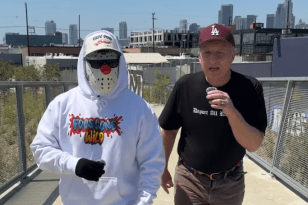
While Steyer is not the only candidate to do so, he made significant political expenditures to companies that employed influencers with large followings. Paid influencers included Foos Gone Wild, Jaz Roche, and Carlos Eduardo Espina. According to reporting by The Sacramento Bee, Food Gone Wild (@foosgonewilld) received $50,000 to post on Instagram and TikTok. The Shade Room (@theshaderoom) received $25,000 to post on X and Instagram, among others.
The paid content created and circulated to millions of viewers ranged from endorsements to criticism of Steyer’s opponents.
What does AB 1130 change?
Social media posts already had to carry a clear “paid” disclaimer. Officials now have legal authority to penalize violators when they overlook disclosures. Before, they could only seek a court order to force compliance.
Violators now face penalties under the Political Reform Act of 1974, the same law that polices campaign money, lobbying, and ethics in California politics. The law holds both the paying campaign and the creator who posts responsible.
Influencer spending also must be flagged in campaign finance reports, so paid content can be traced back to the campaigns funding it. Campaigns must now note on financial reports when payments were for “paid third‑party” social media posts.
As the November election approaches, the real test will come in the next election cycle, when campaigns and creators decide whether the threat of penalties is enough to make disclosure common practice.