Reporting by Greg Archer, Insland Empire Community Foundation / Palm Springs Desert Sun
A recent grant of from the Regional Forest and Fire Capacity Program has allowed the Native American Land Conservancy to fine-tune its ongoing effort to safeguard sites in California’s ancestral territories.
The Inland Empire Community Foundation distributed the RFFC grant, which T. Robert Przeklasa, NALC’s executive director, said greatly “helped us in getting boots on the ground on some of our preserves.
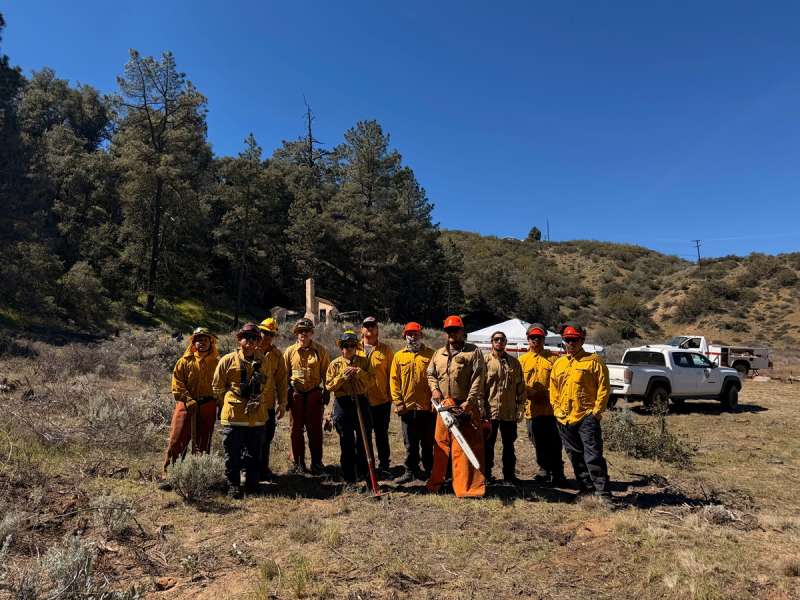
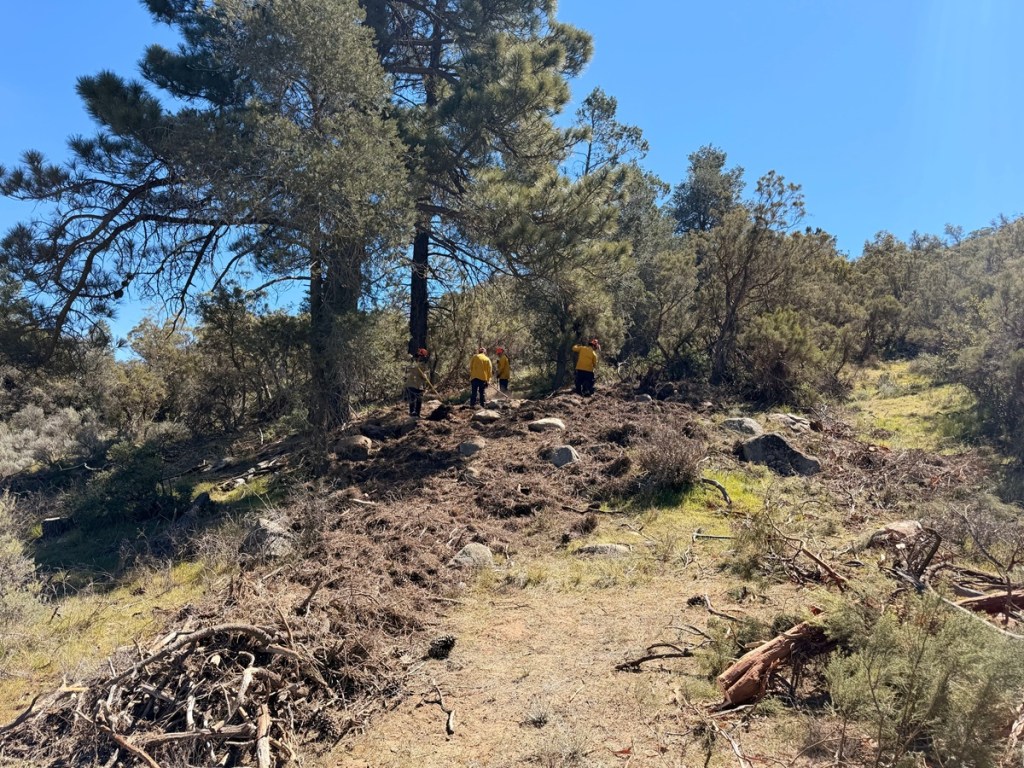
“Funding also helped with various forest clearings and some of the other aspects of our wildfire prevention,” he said.
Wildfire prevention has long been a hot topic in Southern California as the state and various nonprofit agencies diligently work to offset potential tragedies. Earlier this year, Gov. Gavin Newsom launched the One Less Spark wildfire prevention campaign, which hoped to build on significant investments already made in wildfire prevention and readiness.
However, NALC has certainly played an active part on that front since it was established in 1998. The nonprofit sprang from local efforts and eventually expanded to protect and restore sacred sites nationwide.
“Grants are vital,” Przeklasa said. “This one allowed us to work on some of the plumbing for one of our emergency fire hydrants — from spigots to a water tank. We also contracted with the Cahuilla Band of Indians to come to our Tevatwikpa Reserve in the Santa Rose Mountains. It also enabled us to cover some staff time, so that staff members can actually get these things going.”
Other grant resources went toward other matters related to the organization’s wildfire resiliency and capabilities, especially within the Hunat Paač Pihaaka’, a 60-acre protected natural preserve located in Morongo Valley.
“One of our main goals as a nonprofit is to be an ally of the tribes and assist them in whatever ways we can in matters related to the land,” Przeklasa said. “And that can range from assuring ancestral language time to other things we’ve done with IECF to creating grants that go directly to tribes, so that they themselves can do the work on their reservations and buy other fire-related infrastructure for their tribes.”
What does the Native American Land Conservancy do?
The organization’s unique approach includes educational initiatives for Native American youth and the wider public. Using scientific studies on the historical and natural aspects of sacred lands, the nonprofit’s commitment has generated a powerful ripple effect in the efforts to preserve landscapes as well as the rich traditions of Native American Tribes.
These efforts go a long way. Wildfires continue to be an increasing threat across the Inland Empire, placing many tribal lands, cultural sites and ecosystems at risk — ancestral gathering sites, traditional plant communities and other places of cultural significance among them.
Przeklasa stresses that active stewardship is needed for these sites to endure.
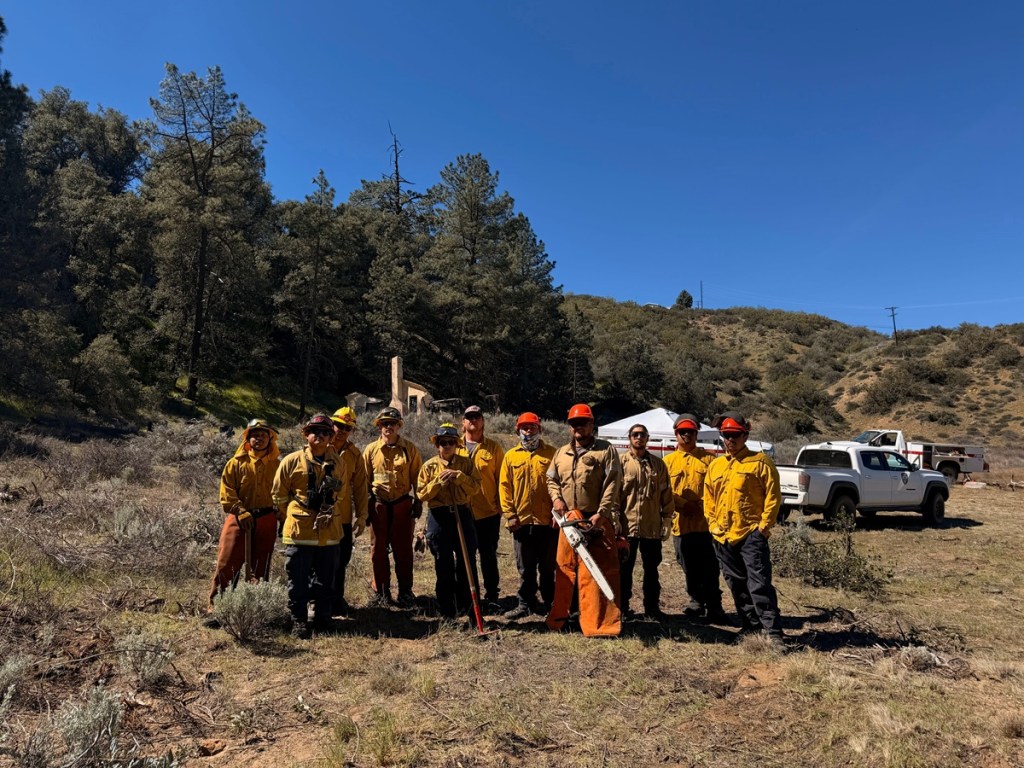
Overall, NALC supports the protection and long-term resilience of these landscapes through proactive wildfire mitigation. In addition to working with various tribal communities, the nonprofit links with fire agencies and other regional partners to act upon strategies, combining ecological science with traditional ecological knowledge.
Current efforts include: 15 acres of fuels reduction completed at Hunat Paač Pihaaka’ Preserve with 34.2 acres stewarded at Tevatwikpa Preserve. Some of its main goals include further strengthening partnerships with tribal communities and fire agencies and advancing cultural burning and traditional ecological knowledge.
Various events help spread the knowledge and unite people.
A Nov. 7 event at Hunat Paač Pihaaka’, for instance, acts as a volunteer stewardship day. The outing, dubbed “Tending the Land,” will literally do just that — tend to the land, bringing people to the area to care for a large cottonwood grove.
Other volunteer opportunities are available. Przeklasa encourages individuals to visit the nonprofit’s website to learn more and reach out to volunteer.
Learn more at nativeamericanland.org.
Now celebrating its 85th anniversary, the Inland Empire Community Foundation works to strengthen Southern California through philanthropy. The foundation is proud to steward funds like RFFC, safeguarding our environment and advancing our work toward a Thriving Natural World (one of the seven Vital Conditions for Health and Well Being that IECF supports.) Visit iegives.org to learn more.
This article originally appeared on Palm Springs Desert Sun.
Related: Ventura County cities debate license plate reader cameras