The primaries have passed, and we are officially in election season for the 2026 midterms. If you took part in said primaries and are ready for round two, we’ve got some important deadlines for you.
As for you first-time voters—whether you’ve recently turned 18, moved to the state, become a US citizen, or begun to engage with politics—we’ve got you covered before voting in California, too.
In this year’s midterm elections, called such because they take place halfway through a presidential administration, Californians will be voting for a new governor and lieutenant governor (they run separately) as well as 52 US congressional seats, two seats on the California Supreme Court, attorney general, secretary of state, controller (like comptroller in other states), and superintendent of public instruction.
That’s not to mention all 80 seats in the California Assembly, 20 state Senate seats, and a slew of judicial, local elections depending on where you live. There are also 14 propositions that all California voters will see on their ballot. Get familiar with this voter guide to propositions from Cal Matters.
Here are some important but easy-to-learn tips you need to know before voting in this year’s general election.
Why so many congressional seats?
If this isn’t your first time voting in California, you may have noticed that the state now has 52 congressional districts rather than 43. That’s because last November, voters in California approved Proposition 50, which authorized the state to use a new congressional map. That decision has since been greenlit by the US Supreme Court.
Drawn in response to Republican efforts to tip power in their favor in other states, the new California districts were drawn with hopes of giving California more Democratic representation in Congress.
Read more about Prop 50 here, and be sure to find out which congressional district you’re in by entering your zip code here so you can study the right race before hitting the polls.
Don’t sleep on commissioner of insurance
If you’re moving from another state and voting in California for the first time, you should know that, spurred by wildfires impacting all corners of the state, people here actually pay attention to the commissioner of insurance race.
Because the top two vote getters of the primary move forward regardless of party, this year’s race sees two Democrats vying for the spot. Read more about it here.
Check your voter registration status
You can’t vote if you’re not registered, so be sure to check on your registration status while there’s still time to act on it. That link will also allow you to check the districts you live in, find info on your statewide and local elections, find your polling place, and choose how you want to receive your state and county voter guides, among other services.
How and when to register to vote in California
If you meet the state’s eligibility requirements, you can register to vote online up until 14 days before the election on Nov. 3 (deadline of Oct. 20). You’ll be asked to provide your California driver’s license or ID card number, the last four digits of your Social Security number, and your date of birth.
If you’ve moved since your last time voting, you can update your California residence address by re-registering online.
Same-day voter registration
Missed the deadline? You can take advantage of same-day voter registration by going to one of these early voting locations (to be posted on Oct. 5) during early voting and knocking out both your registration and ballot. You can also register in person at your polling place on Election Day.
The only difference from pre-registered voting is that you won’t enter your ballot directly into a vote counter; it will be processed and counted once your county elections office has completed the voter registration verification process.
Participate in early voting
Early voting allows voters to beat the lines and vote ahead of time at a polling place, much like they would on Election Day.
The secretary of state plans to release more info about early voting on this website on Oct. 5, including polling locations, while your county election office will have information on what days and hours you can drop in to fill out a ballot.
Early voting in California begins on Oct. 24 and ends on Oct. 31.
Absentee voting by mail
County elections officials will begin mailing ballots to all registered voters on Oct. 5. Any registered voter who doesn’t receive or otherwise misplaces their ballot can go to a county elections office in person to pick up a vote-by-mail ballot.
You can then mail that ballot into your county election office or drop it off at a ballot drop-off location, the addresses of which will be announced here on Oct. 5. To ensure your ballot is postmarked by Election Day, make sure to mail it by Oct. 31.
No ID needed for in-person voting
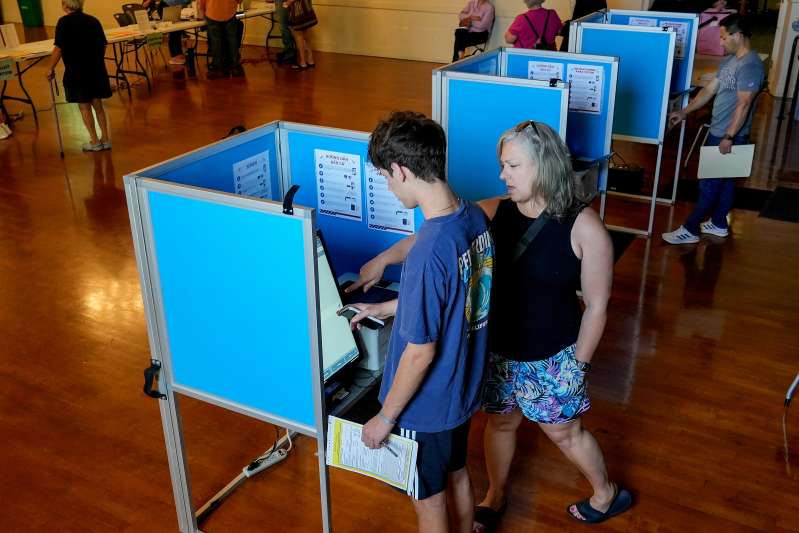
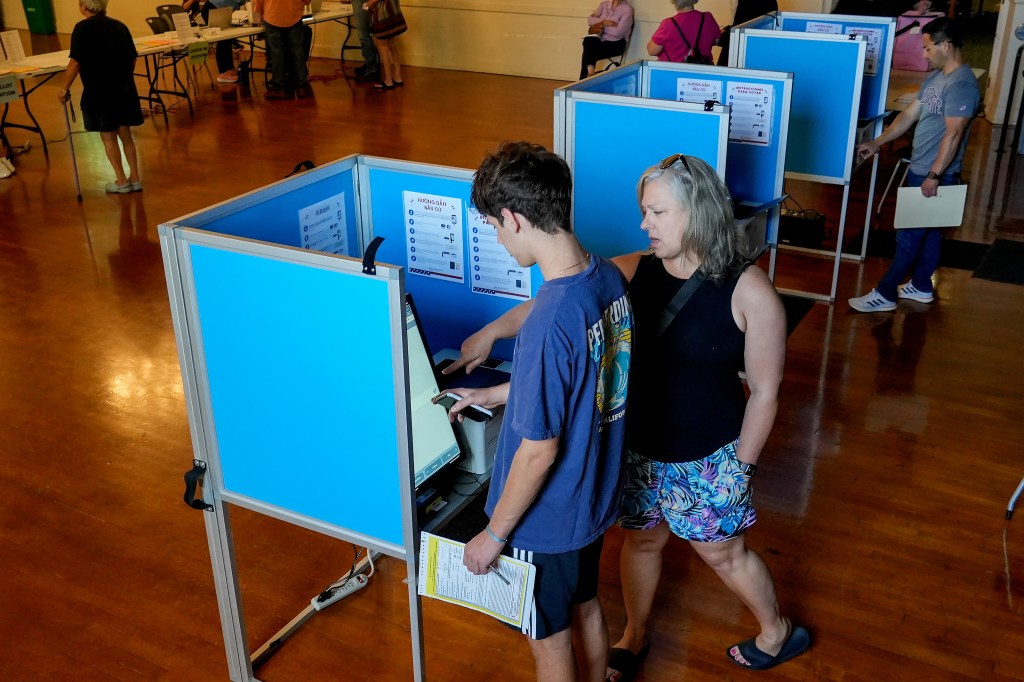
Of course, you can also show up for in-person voting on Election Day, Nov. 3, and you will not need a photo ID to vote (unless you plan to utilize same-day voter registration, in which case you’ll need your driver’s license or ID number). Find your polling location here.
Important dates to know when voting in California
Oct. 5, 2026: County officials begin mailing absentee ballots to all registered voters
Oct. 6, 2026: Ballot drop-off locations open
Oct. 20, 2026: Deadline to register to vote online
Oct. 24, 2026: Early voting begins
Oct. 31, 2026: Early voting ends
Oct. 31, 2026: Recommended deadline to mail absentee ballots back
Nov. 3, 2026: Election Day, deadline to return absentee ballots in person
Related: Cost of living tops concerns for young Californians, poll finds