A new report warns politicians that pocketbook issues will decide the next governor
by Michelle Zacarias
Following the gubernatorial primary election this month, Republican Steve Hilton and Democrat Xavier Becerra secured spots on the November ballot. As the general election approaches, California voters face a pivotal decision: which candidate possesses the experience and leadership to steer the state through the next four years and shape its long-term direction.
Despite intense focus on immigration reform and access to healthcare on the campaign trail, Latino voters in California are most concerned about the cost of living and inflation,
According to a May poll of voters in California published by UnidosUS, many Latino families are living under severe economic strain and growing disillusioned with broken promises from Washington to improve the economy
“Only 11% of California Hispanic voters say they live comfortably, which points to millions of people in the state’s electorate who are just getting by or falling behind,”
-UnidosUS California State Director, Esmeralda López.
The Latino civil rights organization conducted a statewide survey of 3,000 Latino registered voters. Key findings showed that Latino-identifying voters in California continue to be driven by “pocketbook issues” such as food and basic living expenses.
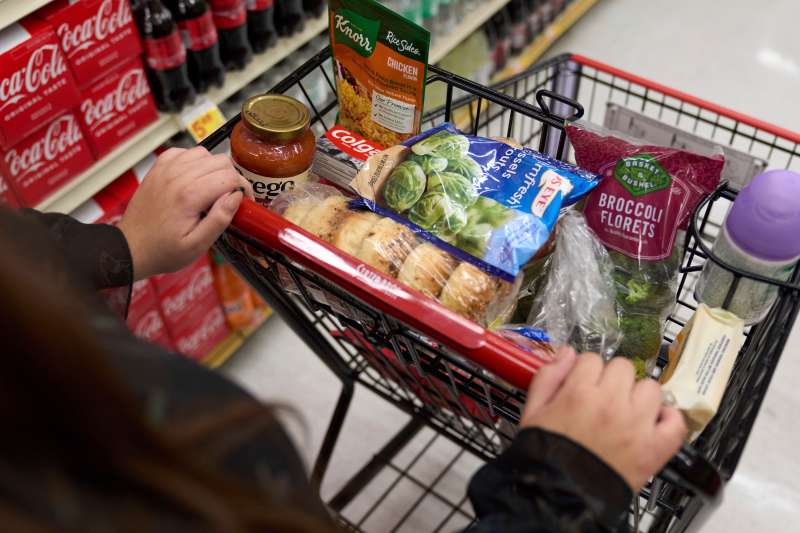
Fifty-three percent said they were worried about the cost of food, and 40% said they were concerned about the cost of housing.
Seventy-two percent of participating Latino voters don’t think President Trump and congressional Republicans are focused enough on improving the economy.
The poll echoed similar findings to a bipartisan report published by UnidosUS in November 2025.
“Only 11% of California Hispanic voters say they live comfortably, which points to millions of people in the state’s electorate who are just getting by or falling behind,” said UnidosUS California State Director Esmeralda López.
López continued, “leaders should be building relief into the systems families rely on — housing, health care, child care and wages — instead of allowing costs and red tape to make California harder to call home.”
Economic disparities in the Golden State
The results come as little surprise to California residents.
The state is tied with Delaware and Nevada for the highest unemployment rate in the nation at 5.3%, and Black and Latino communities are hitting the hardest when looking for work. To make matters worse, 15 of the 25 most expensive cities in the country are in California, according to U.S. News‘ annual ranking.
Who is to blame depends on who you ask. According to the report, voters who view President Donald Trump negatively say they do so because of inflation and the economic squeeze during his presidency.
When participants were asked which issues had most affected their view of President Trump, 34% said “jobs and economy,” 39% said immigration arrests and deportations, and 44% said the cost of living and inflation.
Moving past the monolith
During the 2024 general election between former Vice President Kamala Harris and Donald Trump, Democrats were surprised when early polls showed a jump in Latino men voting conservative. A Harvard study found that 60% of Latino men in California supported Harris, while 39% backed Trump. In comparison, 70% of Latina women voted for the Democratic candidate.
Latinos make up 41% of the population in California—the largest ethnic group in the state, according to the Public Policy Institute of California. The 2024 presidential election served as a necessary reminder for Democrats and Republicans that Latino voters are not a monolithic group.
Although Becerra is currently predicted to be the gubernatorial frontrunner, and California has remained a deeply liberal state–the struggle to pay rent has no political loyalty.
The big question now is how candidates running for governor will actually address the financial stress that everyday Latinos are feeling.